On July 5, a fatal motorcycle crash closed Highway 99 completely, leaving travellers stranded for hours with no way in or out of the corridor. Our owner, Jeremy Allen, was one of them. Sitting in that closure, looking out at the open water of Howe Sound running right alongside the highway, the question was hard to ignore: why isn't anyone using the water?
So we did something about it. We've submitted a formal proposal to BC Transportation Minister Mike Farnworth for an on-call emergency marine service that would activate whenever the Sea to Sky corridor shuts down completely. The story was covered this week by The Squamish Reporter.
One Road In, One Road Out — But the Water Is Always Open
Everyone who lives in the Sea to Sky knows the corridor's biggest weakness: when Highway 99 closes, there is no alternative route. A single serious crash, rockfall, or wildfire can cut Squamish off from Vancouver entirely, stranding hundreds of people — commuters, families, workers, and travellers — for hours with no food, water, or information.
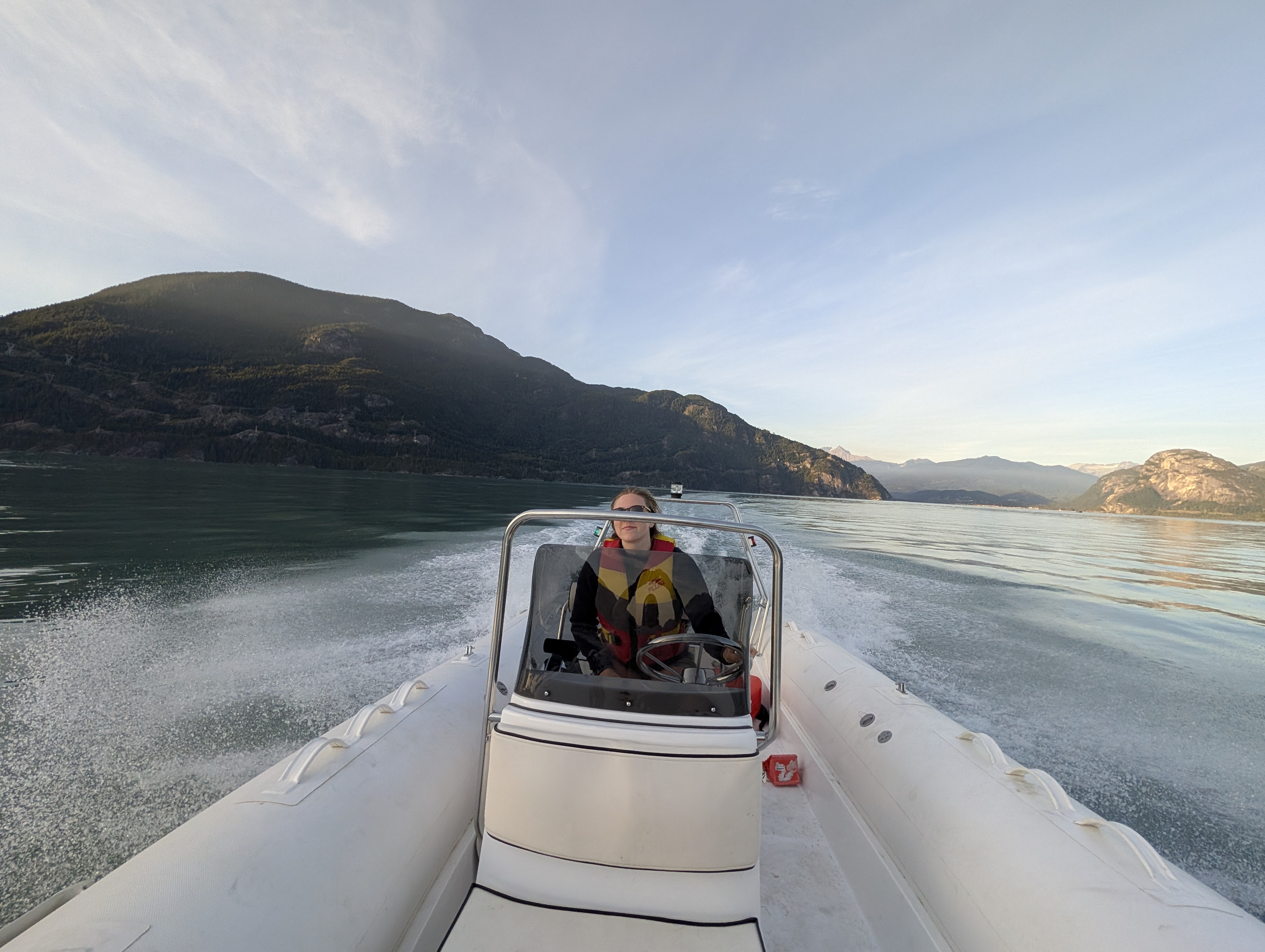
But Highway 99 runs adjacent to Howe Sound for much of its length. That means boats can reach the shoreline along most of the closure-prone sections of the highway. The infrastructure for a marine response already exists — the boats, the operators, and the local knowledge are all here. What's missing is a plan that puts them to work when the road fails.
The Three-Tiered Plan We Submitted
Our proposal to the Province is an on-call, cost-recovery marine response contract — activated only during complete highway closures. It's built in three tiers so it can start helping immediately and scale up over time:
- Tier 1 — Immediate response. Using our current 19-foot RIB, we can transport urgent medical personnel and essential workers, and bring supplies like water, food, and blankets to stranded motorists along the shoreline.
- Tier 2 — Near-term capacity. We have a 25-passenger water taxi already on order. Within months, it could run continuous evacuation loops during closures, moving people out of the corridor in meaningful numbers.
- Tier 3 — A coordinated network. The full vision brings together multiple Sea to Sky marine operators into a round-the-clock emergency network. Working together, we estimate coordinated operators could move roughly 500 people in 2 to 3 hours.
Who Gets Moved First — and What Happens to Your Car
An evacuation only works if it's orderly. Under the proposal, priority would go to urgent medical cases, essential workers, families with young children, and seniors. And because nobody wants to abandon their vehicle on the highway, the plan includes a common-sense grace period: no tow, no ticket until noon the following day for vehicles left behind by evacuated travellers.
It Doesn't Need to Be Us
We want to be clear about why we put this forward. As Jeremy told The Squamish Reporter: "We're just a water taxi business. We're nothing special. It doesn't need to be us."
This isn't about winning a contract. It's about the fact that our community has a marine highway sitting right beside its only road, and no plan to use it when that road fails. Whether the Province partners with us, with other operators, or builds something bigger — the corridor needs this. And in the meantime, our position hasn't changed: if Highway 99 closes and people are stranded, we will help however we can, funding or no funding.
Frequently Asked Questions
What is the emergency marine service proposal for Highway 99?
It's an on-call, cost-recovery marine response contract we've proposed to the Province of BC, activated during complete Highway 99 closures. It starts with immediate response using our current RIB, scales to continuous evacuation loops with a 25-passenger water taxi, and grows into a coordinated network of Sea to Sky marine operators capable of moving roughly 500 people in 2 to 3 hours.
Who would be prioritized during an emergency marine evacuation?
Priority would go to urgent medical cases, essential workers, families with young children, and seniors. Supplies like water, food, and blankets would also be delivered to stranded motorists along the shoreline.
How can I stay updated on the emergency response plan?
Sign up for updates on our homepage — just leave your email and we'll keep you posted as the plan moves forward, including service updates during highway closures.
Stay Updated on the Emergency Response Plan
Want to know when this plan moves forward — and get service updates during highway closures? Leave your email on our homepage signup, or reach us at (604) 849-8898.